November 2, 2026
Maintaining the structural integrity of your residential property requires constant vigilance, especially when evaluating the condition of your overhead protection. The overhead structure serves as the primary barrier against harsh weather conditions, heavy rainfall, high winds, and continuous solar exposure. Unfortunately, many homeowners neglect this critical component until active leaks or severe structural defects manifest inside the living space. By taking a proactive approach to property maintenance and engaging professional roofing services at the first sign of wear, you can prevent minor material degradation from escalating into catastrophic structural failure.
Understanding the subtle indicators of material wear allows you to plan necessary updates before emergency situations arise. Modern building materials are designed for long-term durability, but environmental stress will eventually compromise even the most resilient installation. Timely evaluations conducted by certified contractors ensure that subtle flaws, hidden moisture accumulation, and material breakdown are addressed efficiently. Investing in early detection not only preserves the internal components of your dwelling but also optimizes long-term property values and maintains overall household safety. Diligent oversight remains the most effective defense against unexpected financial burdens.
1. Recognizing Signs of Shingle Damage
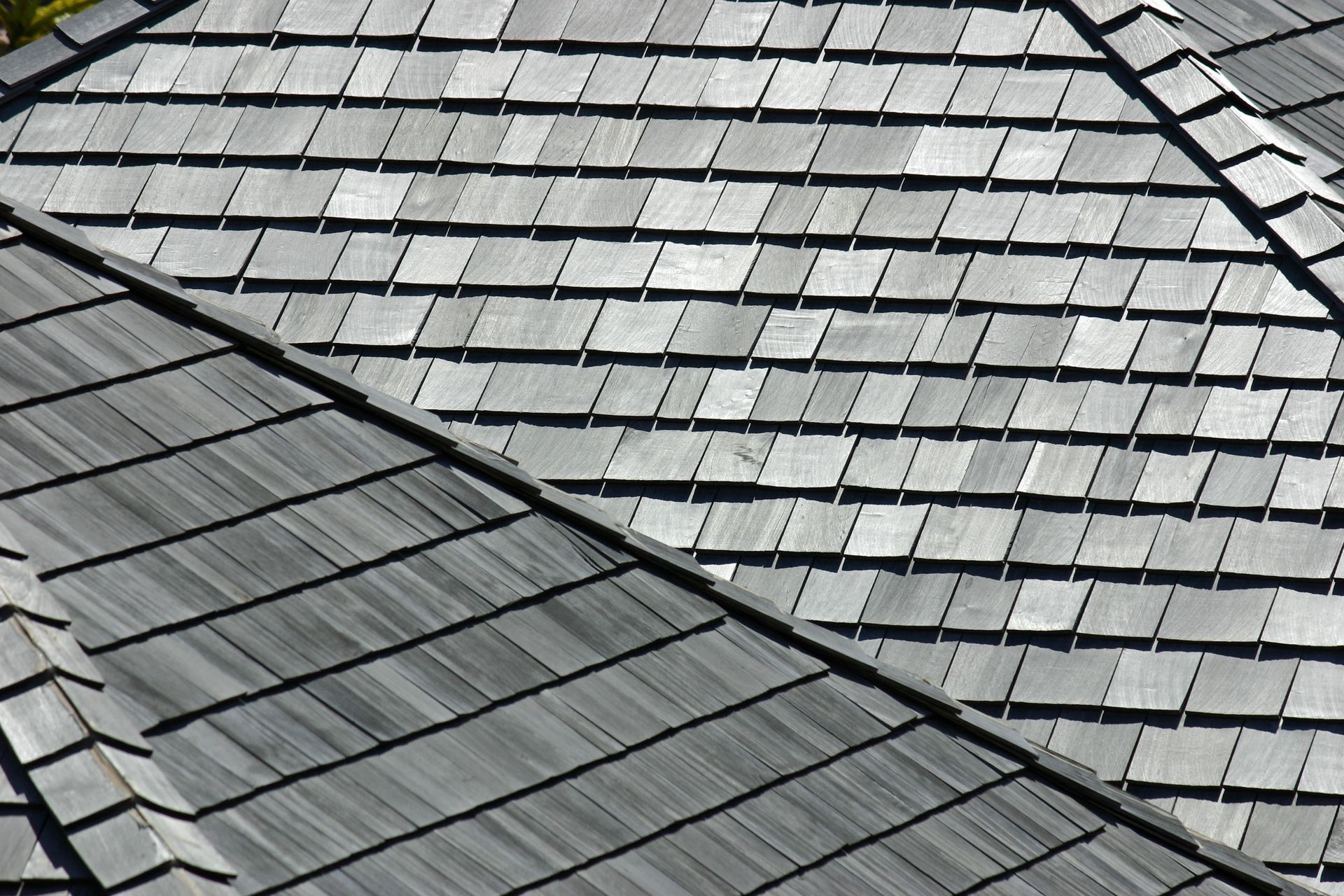
Physical degradation of top-layer materials is one of the most visible indicators that your property requires expert evaluation. Individual tiles can experience severe stress from wind uplift, thermal expansion, and impact from falling debris. Shingles are there to shield your home from water damage by ensuring proper water runoff. If they are missing, it allows water to infiltrate, damaging the internal structures of your home. According to Roofer's Guild, a typical roof lasts between 25 and 50 years, but missing shingles can significantly reduce this lifespan if not addressed immediately. Beyond missing components, curling edges, surface cracking, and heavy loss of protective granules signal that the top layer can no longer provide adequate protection.
Vegetative growth such as moss or algae also presents a serious threat to the longevity of the covering material. These organisms hold moisture against the surface, accelerating decay and lifting tile edges during freeze and thaw cycles. When physical distortion, granule loss, or organic accumulation becomes widespread across the slopes, localized fixes are no longer sufficient. Property owners must arrange for expert roofing services to assess the total scope of material fatigue and implement permanent remediation strategies. Prompt action restores full weather resistance and prevents moisture from migrating into the critical underlayment layers beneath. Regular checks after major weather events help spot missing shingles before water breaches the interior envelope.
2. Identifying Leaks and Internal Water Penetration
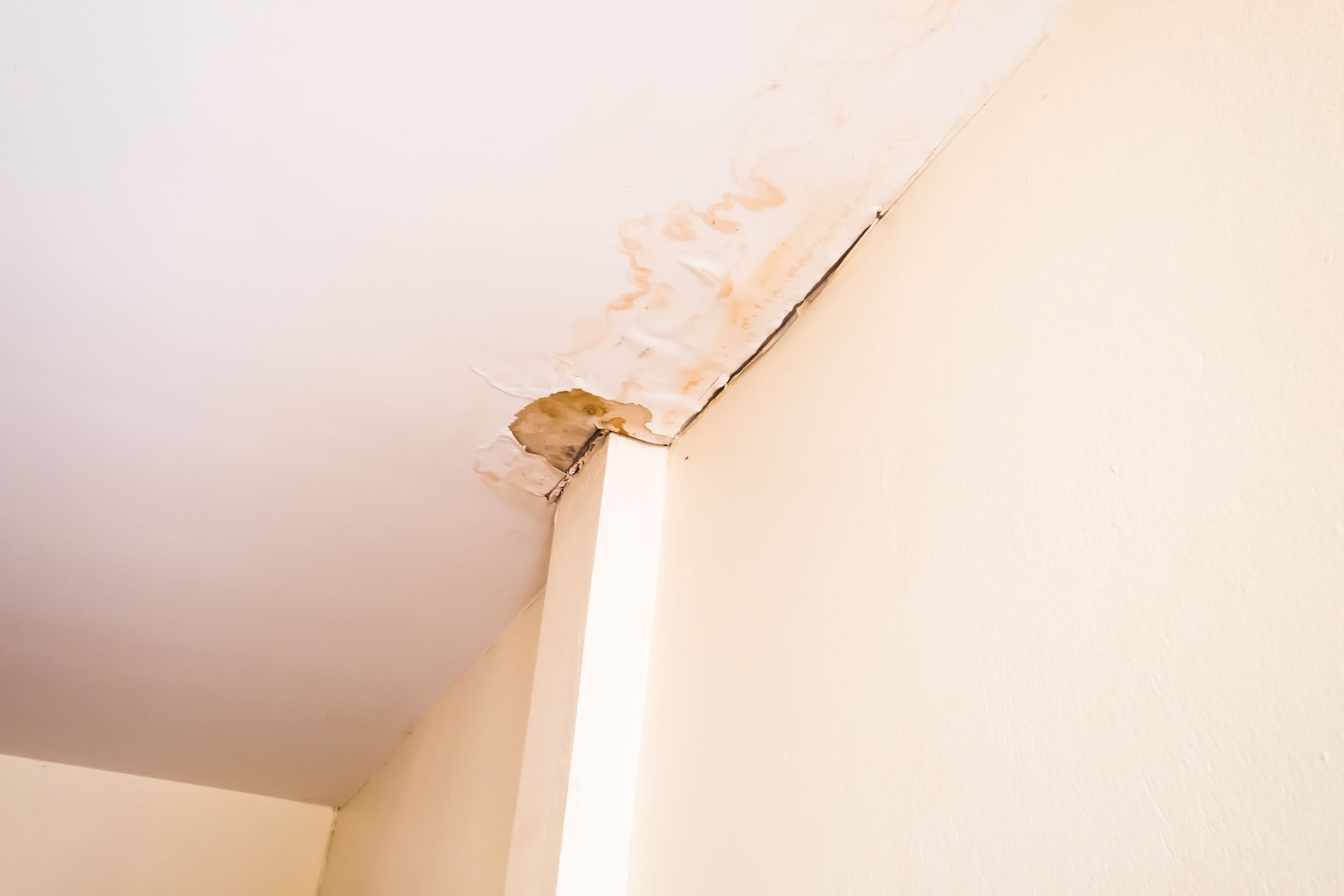
Water intrusion represents an immediate threat to the structural safety and interior air quality of any home. Internal symptoms often appear long after moisture has penetrated the outer barrier and saturated internal insulation. Homeowners typically discover water marks spreading across top-floor ceilings, damp spots on drywall, or sudden mold patches forming within attic spaces. Furthermore, unaddressed leaks can lead to wood rot within the underlying rafters and decking, weakening the structural framing of the entire building.
When interior walls begin blistering or active dripping occurs during rainstorms, immediate intervention is necessary to limit property loss. Attempting to isolate the exact entry point of liquid dynamic movement is notoriously difficult without specialized moisture-detection tools. Professional contractors utilize advanced thermal imaging and physical testing to trace moisture back to its origin on the exterior surface. Securing timely roofing services guarantees that hidden leak paths are fully sealed, ventilation deficiencies are corrected, and interior spaces remain completely dry and secure. Moisture meters allow technicians to track water paths without tearing open healthy wall sections unnecessarily.
3. Evaluating Structural Sagging and Alignment Shifts
Distortions along the ridge line or noticeable dipping across the surface planes indicate severe structural compromise. Structural sagging frequently stems from prolonged exposure to heavy loads, chronic moisture saturation, or inadequate support framework design. When water saturates internal decking boards, the wood weakens and bends under the weight of the surface material. Visual inspection from ground level can often reveal uneven planes, bowing sections, or unnatural changes in the original pitch of the installation.
Ignoring structural alignment issues can lead to partial or complete collapse of affected sections during severe weather events. Damaged flashing around chimneys, skylights, and valleys often exacerbates structural decay by funneling rainwater directly into load-bearing frames. Rectifying these complex structural failures demands extensive engineering knowledge and physical reinforcement techniques. Contracting specialized roofing services ensures that load-bearing elements are stabilized, warped decking is replaced, and the overall deck line is restored to its original design standards. Heavy snowfall can compound these vulnerabilities if the primary framework is already weakened.
4. Monitoring Drainage and Gutter System Integrity
The drainage system attached to the eaves plays a vital role in directing runoff away from the building envelope. When gutters sag, pull away from the fascia boards, or suffer from severe rust and corrosion, water accumulates along the perimeter of the upper structure. Backed-up water can seep upward under the lowest row of shingles through capillary action, causing unseen rot along the roof edge. Heavy accumulation of surface granules within gutter troughs further confirms that the upper material layer is rapidly deteriorating.
Overflowing or misaligned gutters also jeopardize the foundation of the home by allowing concentrated water streams to wash away surrounding soil and breach basement walls. Clearing debris and securing loose hardware are critical routine tasks, yet persistent drainage failure usually points to broader surface issues. Partnering with experienced professionals for comprehensive roofing services allows homeowners to upgrade integrated gutter systems, replace damaged fascia, and ensure that all rainwater drains safely away from the property. Seamless gutter installations reduce leak points along the perimeter of your perimeter walls.
5. Managing Aging Systems and Performance Loss
Every building envelope system operates within a finite service life determined by material quality, local climate conditions, and historical maintenance. Even without obvious leaks, an aging system past its second decade becomes increasingly susceptible to sudden, widespread failure. Extreme weather patterns, solar radiation, and frequent temperature fluctuations accelerate the breakdown of synthetic underlayments, sealants, and primary surface layers. Reviewing past maintenance logs and repair records helps determine whether ongoing spot repairs remain cost-effective.
Additionally, older installations frequently lack modern thermal resistance features and adequate ventilation systems. Outdated materials can contribute to severe thermal bridging and heat retention, leading to higher utility bills and uncomfortable interior temperatures. Comprehensive inspections by certified technicians evaluate both exterior degradation and underlying energy performance. Utilizing modern roofing services enables property owners to upgrade to high-performance, climate-resilient materials that improve energy efficiency while extending the overall longevity of the dwelling. Modern architectural materials offer significantly higher wind ratings compared to older three-tab options.
Proactive maintenance of your home's exterior protection is essential for preserving property value and protecting your family from structural hazards. Recognizing early warning indicators, such as tile damage, internal moisture spots, ridge sagging, gutter failure, and material aging, allows you to act before costly structural damage occurs. Investing in professional
roofing services guarantees that high-grade materials and expert craftsmanship are applied to safeguard your residential investment for decades to come.
If you suspect your home shows signs of material wear or structural fatigue, schedule a complete physical assessment with the team at Reputable Roofing & Remodeling today. Contact our certified specialists to receive a comprehensive evaluation and secure top-tier solutions tailored to your property.